
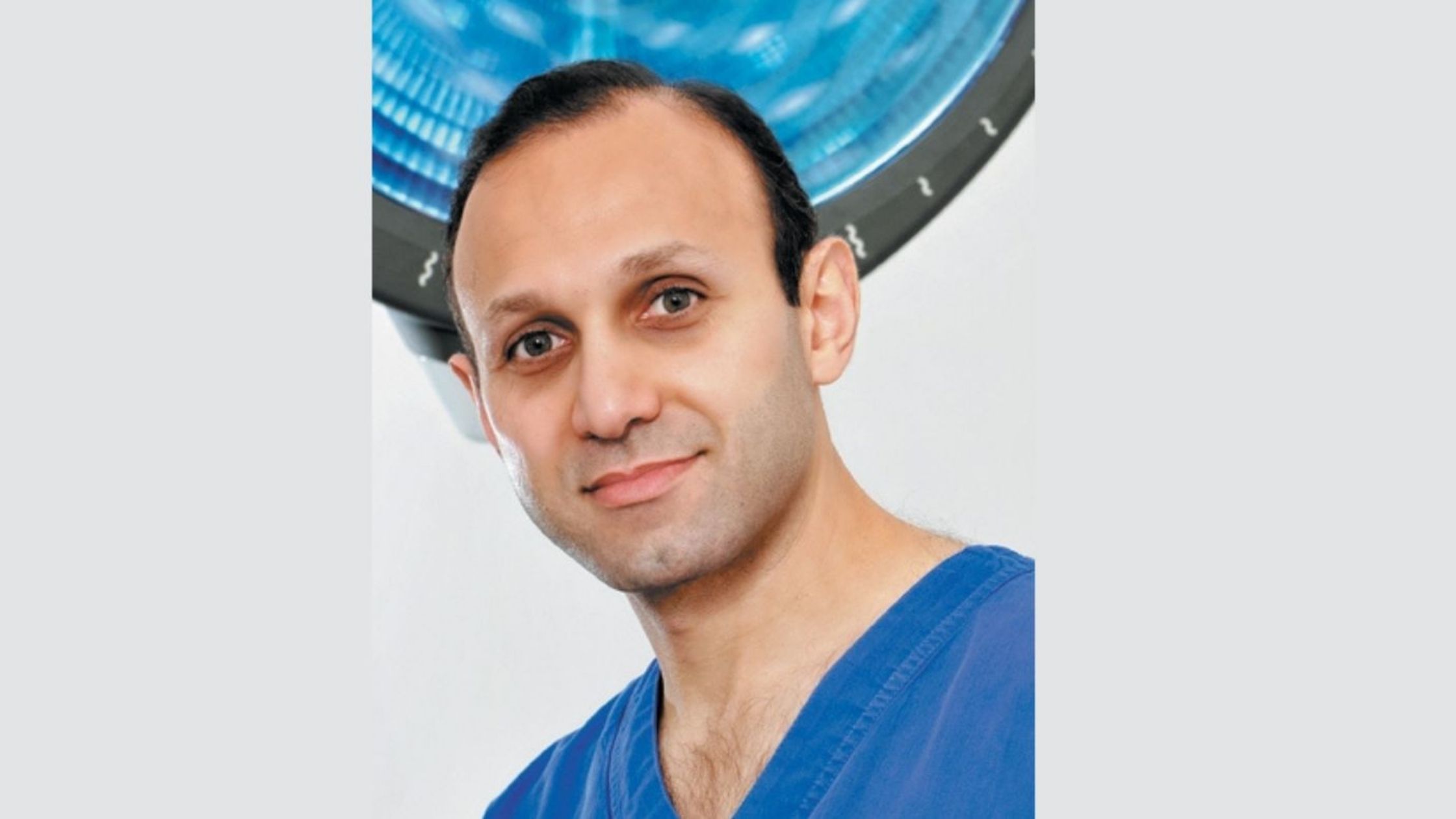
We spoke with Dr Laith Barnouti, a specialist plastic and reconstructive surgeon and founder of Sydney Plastic Surgery, about how careful decision-making shapes cosmetic outcomes. With more than 15 years of specialist experience, extensive Australian and international training, and a practice limited to accredited hospitals, Dr Barnouti is known for his patient-focused approach and consistent safety standards. In this interview, he explains why thoughtful planning leads to better results and why safety remains central to every procedure.
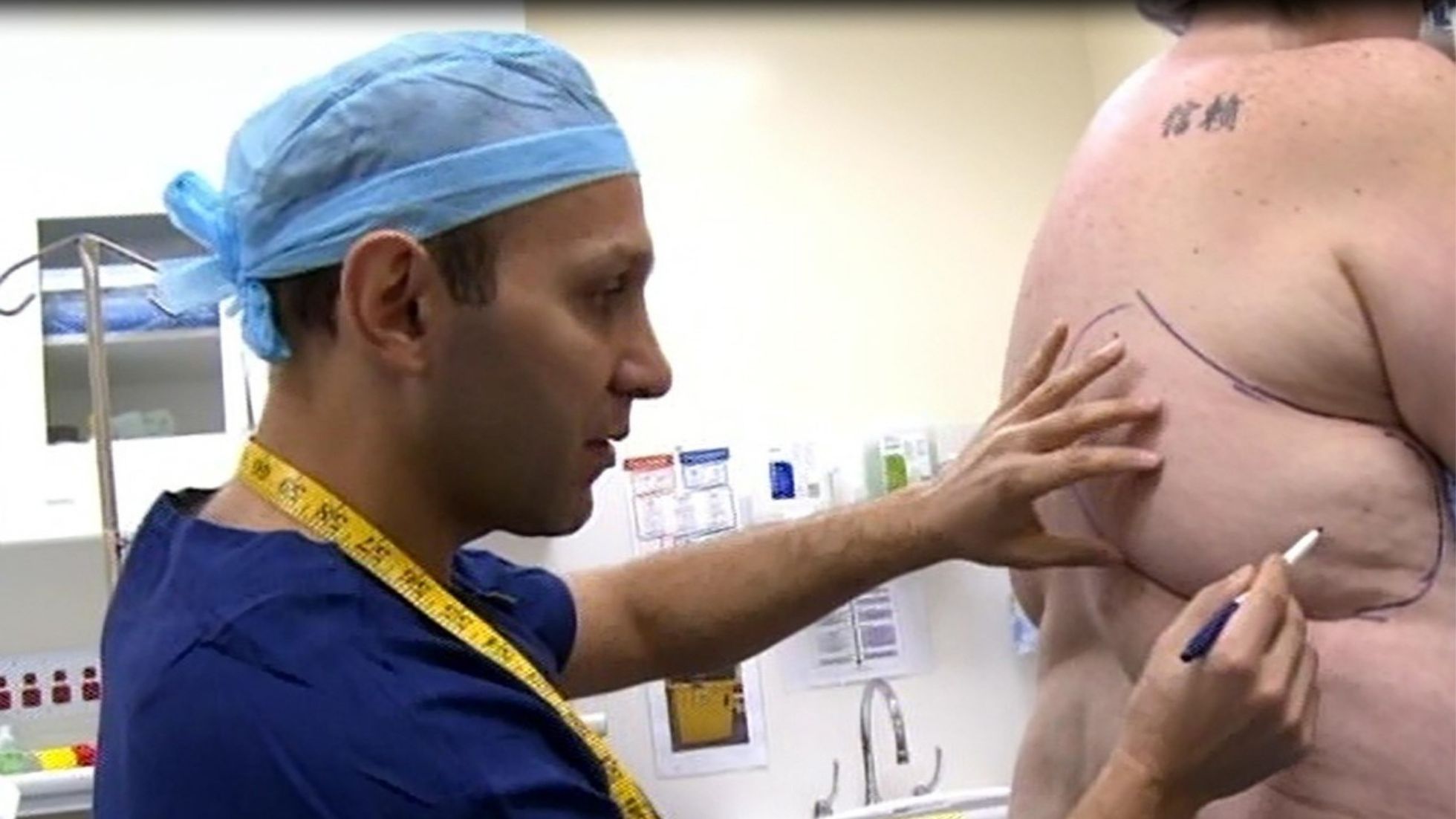
Interviewer: Dr Barnouti, what does the phrase “true result is achieved through safe, thoughtful surgery” mean to you?
Dr Laith Barnouti: A true result prioritises the patient’s health, anatomy, and long-term wellbeing. Cosmetic change should never compromise safety. Thoughtful surgery involves careful assessment, the right techniques, and realistic planning. When these elements are in place, results feel natural, balanced, and sustainable, rather than forced or risky, giving patients outcomes that enhance their appearance while preserving their overall health and confidence.
Interviewer: Why do you place such strong emphasis on safety when discussing cosmetic outcomes?
Dr Laith Barnouti: Surgery always carries responsibility. Patients trust their surgeon to make decisions that protect them, even when they are focused on appearance. Safety affects healing, comfort, and confidence after surgery. When safety is prioritised, patients recover better and feel more secure in their choice.
Also Read: Austin Goman Says, “Strong Legal Planning Helps Companies Grow.”
Interviewer: How does thoughtful planning influence the final cosmetic result?
Dr Laith Barnouti: Planning shapes every stage of the process. It includes understanding the patient’s goals, reviewing their medical history, and choosing techniques suited to their body. This approach reduces avoidable risks and supports results that look appropriate over time. Rushed decisions often lead to compromises that could have been avoided with proper planning.
Interviewer: Many patients come in with strong ideas shaped by online content. How do you manage these expectations?
I listen attentively to understand exactly what each patient wants and why. I then explain what is realistic and safe for their individual anatomy, noting that online images rarely show context, the healing process, or long-term changes. By having a clear, open discussion, patients can fully understand the limits and possibilities of surgery, allowing them to make thoughtful, informed decisions rather than reactive or impulsive choices about their care.
Interviewer: How do you respond when a requested procedure is not safe for a particular patient?
Dr Laith Barnouti: I explain my concerns in clear terms and outline the risks involved. If a request is unsafe, I will not proceed. I then discuss alternative options that are safer and still address the patient’s goals. This conversation is about care, not refusal. Patients usually appreciate honesty when it is explained properly.
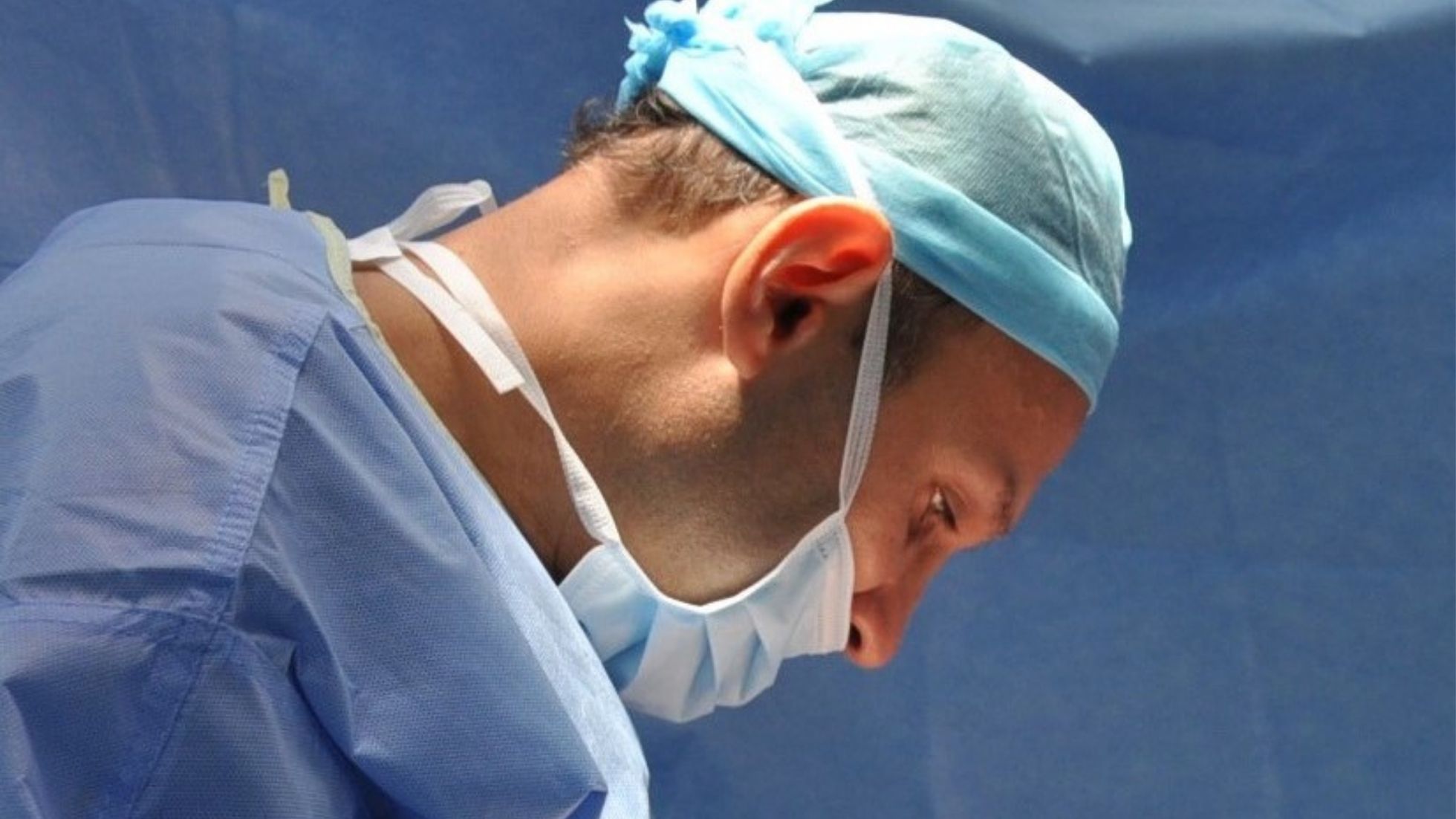
Interviewer: What role does experience play in making these judgments?
Dr Laith Barnouti: Experience allows a surgeon to recognise patterns and anticipate problems. Over time, you learn which approaches heal well and which carry a higher risk. That knowledge guides decision-making and helps protect patients. Experience also improves communication, which is essential for trust.
Interviewer: How do you balance patient autonomy with your responsibility as a surgeon?
Dr Laith Barnouti: Patients have the right to make choices about their care, but those choices must sit within safe medical boundaries. My role is to guide patients using evidence and experience. When safety is respected, the relationship becomes collaborative rather than transactional.
Interviewer: Why is long-term outcome more important than short-term appearance?
Dr Laith Barnouti: Cosmetic surgery is not just about the first few weeks. The body continues to change with time. Long term outcome affects comfort, function, and satisfaction. A result that looks acceptable early on but causes issues later is not a success. Thoughtful surgery aims for stability over the years.
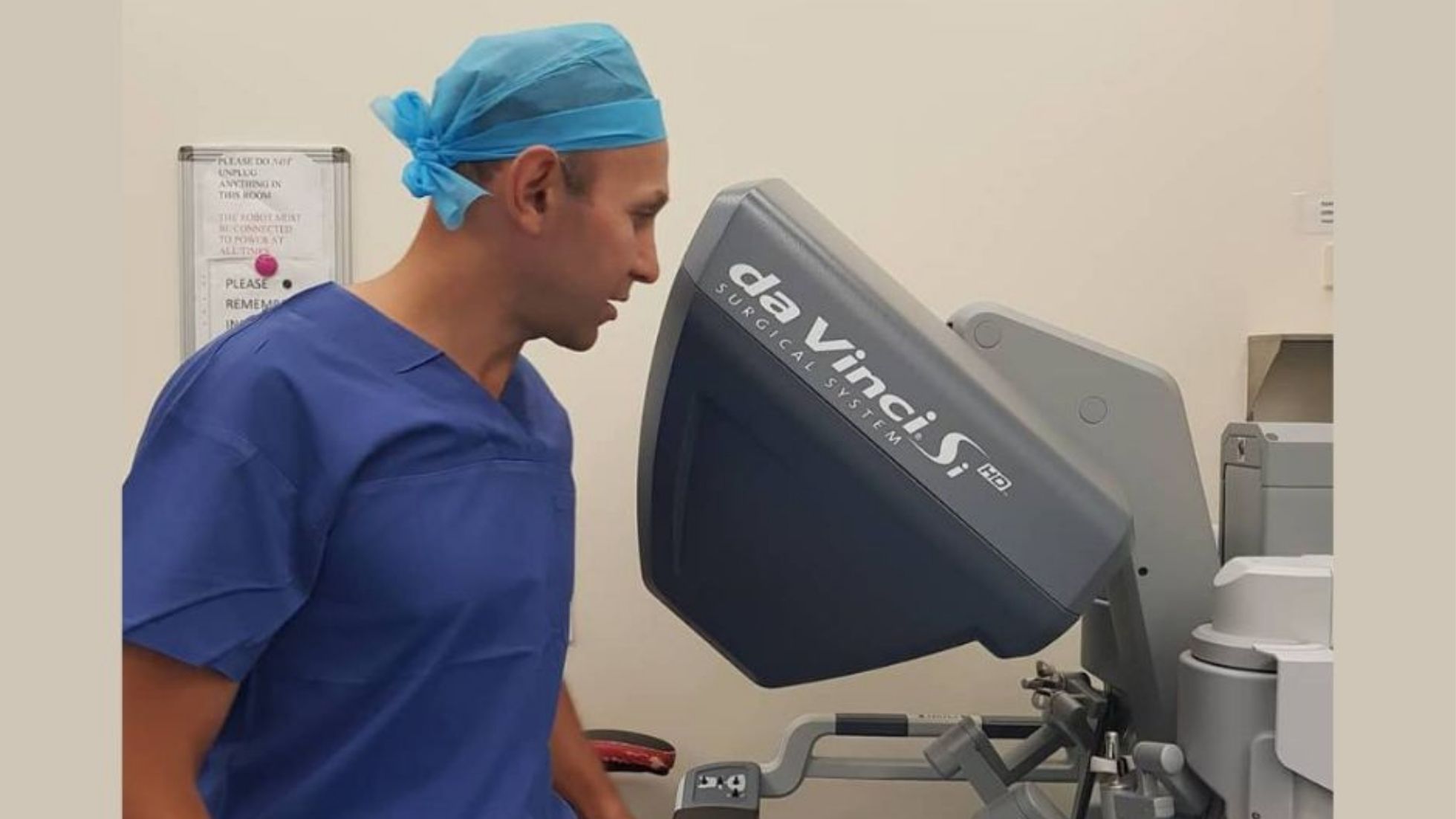
Interviewer: How do accredited hospitals and proper facilities contribute to safer outcomes?
Dr Laith Barnouti: Accredited hospitals follow strict standards for equipment, staffing, and emergency care. These settings support patient safety before, during, and after surgery. Operating in appropriate facilities is part of respecting patient well-being. It reduces risk and ensures proper support if issues arise.
Interviewer: What message would you like patients to take away when considering cosmetic surgery?
Dr Laith Barnouti: Patients should seek qualified specialists and ask clear questions about safety, recovery, and long-term impact. Surgery should be chosen carefully, not rushed. When decisions are made thoughtfully, cosmetic surgery can support confidence without compromising health.
Interviewer: Thank you for sharing your perspective, Dr Barnouti.
Dr Laith Barnouti: Thank you. I hope this encourages patients to choose care that genuinely places their wellbeing first, prioritising safety, ethical practice, and informed decision-making, while seeking qualified specialists who deliver responsible, patient-centred treatment and long-term outcomes over short-term promises.