

Brian Caper is an experienced economic developer with nearly 15 years in city planning, redevelopment, and long-term growth projects. He has helped communities plan for steady economic progress while creating jobs and improving the quality of life. In this interview, Brian Caper talks about how smart planning drives economic growth. He shares practical insights on why planning helps cities avoid mistakes, use resources wisely, and support businesses. Listeners will learn how thoughtful planning strengthens communities, creates sustainable growth, and ensures long-term success.
Interviewer: Mr. Brian Caper, thank you so much for joining us today. It’s truly an honor to speak with someone who has made such a significant impact in economic development and city planning. Let’s start by learning more about your journey and how you became a leader in long-term economic growth.
Brian Caper: Thank you for having me. I truly appreciate the warm introduction. It’s always meaningful to reflect on my journey and share insights from my experience in city planning, redevelopment, and economic growth. I believe thoughtful planning is essential for building strong communities, creating jobs, and ensuring sustainable development. I’m excited to be here and look forward to discussing practical ways smart planning drives real economic results.
Interviewer: Brian Caper, why do you believe smart planning is essential for economic growth?

Brian Caper: Smart planning is essential because it gives communities a clear roadmap for development. Without it, cities can waste resources, miss opportunities, or make short-term decisions that harm long-term growth. Planning helps prioritize investments in infrastructure, workforce development, and public services. It also allows for better coordination between government, businesses, and residents, creating a stable environment where the economy can grow steadily and sustainably over time.
Interviewer: How does long-term planning impact local businesses?
Brian Caper: Long-term planning creates a predictable environment for businesses. When businesses know where infrastructure, transportation, and zoning changes will occur, they can make better investment decisions. Planning also helps identify areas for commercial growth and supports workforce development. By reducing uncertainty and providing clear guidelines, communities encourage new businesses to open, existing businesses to expand, and investors to commit to long-term projects, which overall strengthens the local economy.
Interviewer: Can you explain the connection between planning and job creation?

Brian Caper: Smart planning directly influences job creation. When a city plans for economic growth, it can identify the industries and sectors that need support, creating targeted strategies to attract employers. Planning also ensures that education and training programs match workforce needs, giving residents the skills needed for new opportunities. By coordinating infrastructure, business incentives, and workforce initiatives, communities can generate sustainable jobs that meet local demand and contribute to long-term economic stability.
Visit: Bruce S. Kane Says, “Effective Tax Planning Starts With Precision and Insight.”
Interviewer: How does planning prevent short-term economic mistakes?
Brian Caper: Without planning, cities often make decisions based on immediate pressures, which can lead to wasted funds, poor infrastructure, or missed opportunities. Smart planning sets long-term goals, helping leaders evaluate whether each project aligns with future growth. It ensures investments are strategic, avoids duplication, and focuses on high-impact initiatives. By thinking ahead, communities can prevent costly mistakes, maintain fiscal responsibility, and keep economic development moving forward in a way that benefits residents over the long term.
Interviewer: What role does infrastructure play in economic growth through planning?
Brian Caper: Infrastructure is a key driver of growth. Smart planning identifies where roads, utilities, public transport, and technology need improvement to support business and residential growth. Well-planned infrastructure attracts investment, supports commerce, and improves quality of life. It also ensures cities can handle population growth and changing economic needs. By prioritizing strategic infrastructure projects, cities create a strong foundation for businesses to thrive, residents to prosper, and the local economy to grow consistently over time.
Interviewer: How does smart planning affect community development?

Brian Caper: Smart planning links economic growth with community benefits. It helps balance residential needs, business opportunities, and public spaces. By integrating housing, transportation, and job centers, communities become more livable and attractive to investors. Planning also encourages public-private partnerships that support local programs and sustainable development. In essence, thoughtful planning ensures that economic growth doesn’t just boost numbers but improves everyday life for residents, making communities stronger, safer, and more resilient.
Interviewer: Can planning help attract new businesses to a city?
Brian Caper: Absolutely Businesses are more likely to invest in communities with clear, long-term plans. Planning communicates stability, growth opportunities, and a supportive regulatory environment. It identifies zones for commercial or industrial development, helps streamline permitting, and ensures access to necessary infrastructure. By showing that the city is organized and committed to economic growth, planning encourages companies to open offices, factories, or retail spaces, creating jobs and stimulating the local economy.
Interviewer: How does planning support sustainable economic growth?
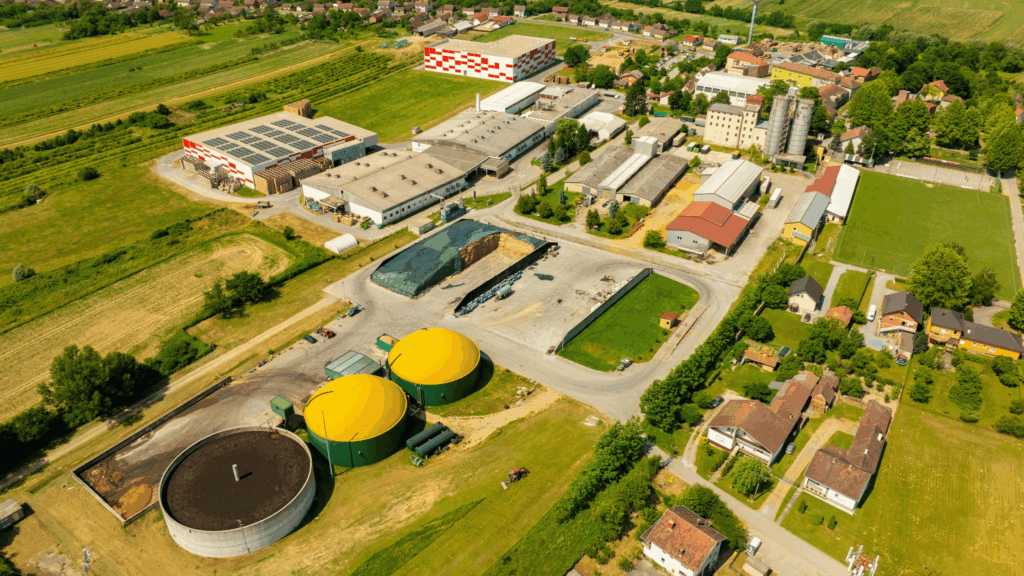
Brian Caper: Sustainable growth requires balancing immediate development with long-term impact. Smart planning allows cities to consider environmental, social, and economic factors in every decision. By carefully managing resources, supporting renewable infrastructure, and anticipating future needs, communities can grow without overextending themselves. This approach protects the economy from volatility, reduces wasteful spending, and ensures growth benefits both current and future residents, creating a stable, resilient economic foundation.
Interviewer: How important is data in smart economic planning?
Brian Caper: Data is critical for making informed decisions. Planners rely on economic trends, population growth, workforce skills, and industry forecasts to guide strategies. Accurate data helps identify opportunities, prevent risks, and measure the effectiveness of policies. With data-driven planning, cities can prioritize projects that provide the greatest return, attract investment, and address real community needs. Essentially, data turns planning from guesswork into a precise tool for driving steady economic growth.
Interviewer: Can planning help during economic downturns?
Brian Caper: Yes, planning builds resilience. Communities with long-term plans have strategies in place to maintain key services and protect local businesses during downturns. Smart planning identifies diversified industries, encourages savings and reserves, and ensures infrastructure supports economic stability. By having a clear plan, cities can respond quickly to challenges, adjust priorities efficiently, and maintain momentum in growth efforts even when facing economic uncertainty.
Interviewer: How does planning benefit residents directly?

Brian Caper: Residents benefit through better jobs, improved infrastructure, and access to services. Smart planning ensures communities have schools, healthcare, housing, and transportation aligned with growth. It also creates safer, more vibrant neighborhoods and supports local businesses. By considering long-term outcomes, planning improves quality of life, reduces congestion or resource strain, and ensures that economic development benefits all residents, not just businesses or investors.
Interviewer: How do public-private partnerships fit into economic planning?
Brian Caper: Public-private partnerships are crucial in smart planning. They allow cities to leverage private investment for public benefit, such as infrastructure, housing, or redevelopment projects. Partnerships provide expertise, resources, and innovation, while the city ensures projects align with long-term goals. This collaboration accelerates growth, spreads risk, and ensures that investments benefit both businesses and communities, making economic development more efficient and impactful.
Interviewer: Can small cities benefit from long-term planning?

Brian Caper: Definitely. Smart planning is not just for large cities. Small cities can prioritize key industries, manage limited resources wisely, and attract investment with clear strategies. Planning helps small communities avoid mistakes, maximize impact, and improve quality of life. By focusing on local strengths, developing workforce skills, and coordinating infrastructure improvements, even small cities can create sustainable economic growth and compete effectively for businesses and residents.
Interviewer: How does workforce development tie into smart planning?
Brian Caper: Workforce development is a cornerstone of economic planning. Smart planning identifies the skills local businesses need and aligns education, training, and career programs accordingly. This ensures residents are ready for new job opportunities and companies can grow with confidence. By connecting workforce initiatives with long-term economic strategies, cities create a cycle of growth where skilled workers attract employers, which in turn provides more jobs and strengthens the local economy over time.
Interviewer: Finally, Brian Caper, what key advice would you give communities looking to grow through smart planning?
Brian Caper: My advice is to start with clear goals and a long-term vision. Communities should focus on understanding their strengths, workforce needs, and infrastructure priorities. Involve residents, businesses, and partners in the planning process, and use data to guide decisions. Be patient, results take time, but consistent planning pays off. By committing to thoughtful, long-term strategies, communities can create sustainable economic growth, attract investment, improve quality of life, and ensure that every step taken today builds a stronger future for everyone