
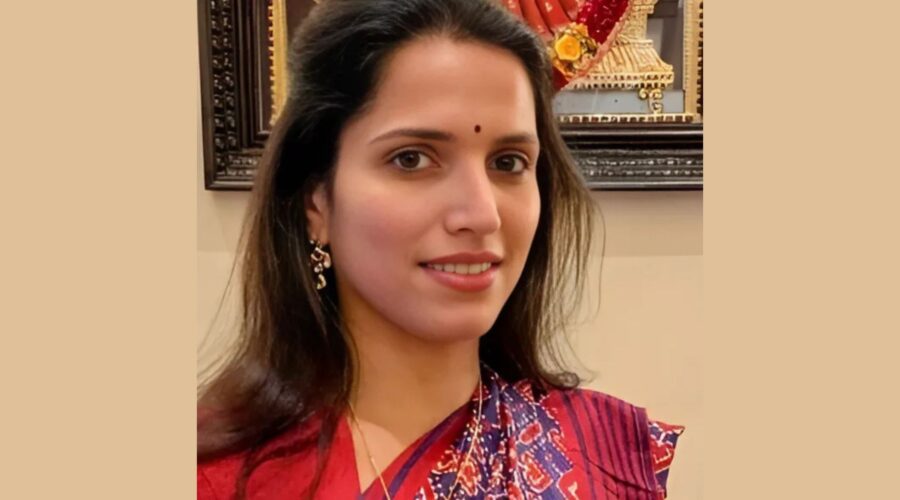
We recently had a conversation with Deepa Karthik NJ, a passionate Program Manager and Executive Director of the HinduVote project, led by HinduPACT. Her work spans both civic initiatives and the corporate sector, where she manages programs in the pharmaceutical and financial industries. Based in New Jersey, she is committed to promoting awareness, advocacy, and youth engagement within the community.
Throughout the discussion, Deepa Karthik emphasized that thoughtful direction, strong teamwork, and active communication are key to success. She believes lasting change happens when leaders understand local needs and work hand-in-hand with the people they serve. For her, effective leadership means being open, informed, and purpose-driven.
Interviewer: Welcome to this conversation, Deepa Karthik NJ. To begin, could you share why program management plays such an important role?
Deepa Karthik NJ: Thank you. I’m happy to be part of this conversation. I believe sharing experiences helps provide understanding of the importance of program management and how it connects with community and industry work. Whether in a technical space like pharma or a people-centered space like civic education, managing programs is about balancing goals with real needs. I look forward to sharing how this balance helps achieve better outcomes, build stronger teams, and support the communities we aim to serve.

Interviewer: How do you align a project’s vision with the community’s needs?
Deepa Karthik NJ: First, we listen. Understanding what the community needs is the foundation. We hold discussions, gather feedback, and observe patterns. Then we match that input with our goals, making sure every activity has a clear purpose. We also create space for adjustments during the project so that the direction can evolve as needed. Communication is constant. By doing this, we don’t just launch a project; we create something that people trust, support, and feel proud to be part of.
Interviewer: What’s the biggest challenge in managing community programs?
Deepa Karthik NJ: One of the biggest challenges is dealing with diverse expectations. Community programs bring together people with different views, priorities, and goals. It takes time to build trust and show results. We also have to manage resources carefully because funding and time are often limited. Clear communication and consistent follow-up help us manage expectations and keep things moving forward. Staying flexible while keeping the mission intact is key to handling challenges without losing direction.
Interviewer: How do you manage teams across industries like pharma and finance?
Deepa Karthik NJ: Each industry brings unique working styles and expectations. Pharma focuses on accuracy, compliance, and long review cycles. Finance is more dynamic and data-driven. When managing teams across both, I adjust communication to fit the industry’s needs. For pharma, we create detailed workflows and review plans carefully. In finance, we keep communication fast and goal-oriented. Regardless of the sector, I make sure each team understands its part in the bigger plan. That shared understanding leads to better performance.
Also Read:- Riad Daloussi Says “Real Estate & Machinery Supply Thrive on Clear Planning”
Interviewer: What role does research play in your projects?
Deepa Karthik NJ: Research is essential. Before starting any program, I spend time understanding the problem, the audience, and the potential risks. In pharma projects, this involves reviewing scientific data and regulations. In finance, we study trends, reports, and performance metrics. For civic work, we analyze community data, past program results, and legal guidelines. Good research allows us to build strong foundations, avoid unnecessary delays, and create realistic timelines. It also ensures that our work is focused, relevant, and impactful.
Interviewer: How do you define success for a civic education program?
Deepa Karthik NJ: Success isn’t just about numbers, it’s about impact. If people start showing up to community meetings, if more youth begin discussing policies, or if someone decides to vote for the first time, that’s meaningful. We also track participation, engagement, and feedback. Did they learn something new? Do they feel more confident? These are important markers. A good civic education program inspires people to stay involved and make informed choices. That’s how we know it’s working.

Interviewer: How do you motivate volunteers in your projects?
Deepa Karthik NJ: Volunteers give their time because they care, so recognizing their efforts is key. I try to create a positive environment where their ideas are welcomed. We give clear responsibilities and regular updates so they feel included and not left out. Celebrating small wins, offering public thanks, and listening to their feedback builds trust. Motivation grows when people see how their efforts create real impact. When they feel seen and appreciated, they stay connected to the mission.
Interviewer: How do you handle changes in project scope?
Deepa Karthik NJ: Scope changes are common, especially in large or long-term projects. When it happens, I pause to understand how the change affects the budget, timeline, and goals. Then I meet with stakeholders to realign expectations. Communication is the most important part; everyone must know what’s changing and why. After that, we adjust resources, update timelines, and assign new roles if needed. With clear planning and flexibility, scope changes don’t have to slow progress. They can improve the final outcome.
Interviewer: What skills do you think every program manager must have?
Deepa Karthik NJ: A good program manager must be a strong communicator, problem solver, and team leader. It’s not just about managing tasks, it’s about understanding people. We need to adapt quickly, stay organized, and make sure everyone knows their role. Time management is important, but so is emotional intelligence. In both pharma and civic work, things can change suddenly, and a good program manager stays calm, keeps the team focused, and finds a way forward. Those skills make a real difference.
Interviewer: How do you keep up with trends in pharma and finance?
Deepa Karthik NJ: I regularly read industry publications and join webinars and forums. I also stay connected with professionals in both fields to exchange ideas and learn about changes in technology, regulations, and market trends. Each field evolves quickly, so learning never stops. Whether it’s a new compliance requirement in pharma or a new risk model in finance, staying informed helps me lead projects better and prepare teams for what’s coming next.
Interviewer: How do you measure the success of a finance-related project?
Deepa Karthik NJ: Success in finance projects is measured through performance metrics like ROI, process improvements, and cost savings. Timely execution and data accuracy also matter. We compare results with initial goals and check if the client or stakeholders are satisfied. Did we meet the deadline? Did we stay within budget? Is the output reliable? These answers guide us. We also look at how well the team collaborated and whether we’ve set the stage for future success.
Interviewer: What makes a cross-functional team work smoothly?
Deepa Karthik NJ: Clear communication and mutual respect are key. Every team member should know their role, how it connects to others, and the overall goal. We use shared tools and regular meetings to stay aligned. It’s also important to respect different work styles. A finance team might be fast-paced, while a pharma team may focus on precision. Understanding these differences and managing accordingly leads to better teamwork and smoother progress.
Interviewer: What’s one important lesson you’ve learned from the pharma industry?
Deepa Karthik NJ: The importance of following systems. In pharma, every step is documented and reviewed, and for good reason, mistakes can affect safety. That mindset has taught me to build strong processes for every project. Whether it’s a civic program or a financial plan, structure and careful planning save time and reduce risk. The pharma industry’s discipline helped me become a more detail-focused and accountable program manager in all areas.
Interviewer: How do you balance technical and community-driven tasks?
Deepa Karthik NJ: I organize my time carefully. Technical tasks, like data review or documentation, need focused work hours. Community activities, like meetings or events, require flexibility and responsiveness. I set clear time blocks for both, plan ahead, and prepare backups in case schedules change. Staying organized and being present in each moment helps me manage both without overlap or confusion. Each area supports the other, and balance keeps everything on track.
Interviewer: How do you handle project delays?
Deepa Karthik NJ: First, I look into the reason for the delay. Is it a resource issue, a planning gap, or something external? Once we understand the cause, we adjust timelines, reassign tasks, or bring in additional help. I communicate clearly with all stakeholders about the new plan. Delays are frustrating, but if managed well, they don’t have to derail the project. The key is to respond quickly and stay solution-focused.

Interviewer: How do you ensure compliance in the pharma sector?
Deepa Karthik NJ: We follow industry regulations closely and build compliance into every step of the process. This includes maintaining proper documentation, training staff regularly, and performing internal checks. We also stay updated on regulatory changes through industry alerts and meetings. Compliance isn’t just a requirement; it builds credibility and trust. Everyone involved must understand the rules and why they matter. We make sure that compliance is not an afterthought but part of the project’s core.
Interviewer: What do you focus on when working with finance teams?
Deepa Karthik NJ: In finance, accuracy and speed are both important. I make sure data is clean, processes are efficient, and communication is clear. We set up dashboards, regular updates, and quality checks. I also make sure the team understands how their work supports broader business goals. Whether it’s reporting or planning, I focus on keeping everything aligned and well-documented. That helps deliver results on time and supports informed decision-making.
Interviewer: Thank you for sharing your insights today.
Deepa Karthik NJ: Thank you for this conversation. It was a great opportunity to discuss how program management supports both industry and community goals. Whether I’m working on a finance report, a compliance review in pharma, or a civic education workshop, the goal is the same: serve people better, solve problems clearly, and help teams work together smoothly. I appreciate the chance to share these experiences and hope they’re helpful to others in similar roles.