

We had the chance to sit down with Tim Han, a life coach and founder of Success Insider. For years, he has inspired people worldwide to unlock their potential through clear, practical lessons anyone can apply. Known for his simple yet powerful approach, Tim Han helps individuals build confidence, stay consistent, and take steps toward growth without overwhelm.
In this interview, Tim Han shares why self-belief is the starting point of success. He explains how trusting yourself opens new doors, turns challenges into lessons, and makes progress possible. He also stresses the value of daily actions, the power of mindset, and why believing in yourself is the key to lasting achievement.
Interviewer: Thank you for coming today, Tim Han. Let’s begin by talking about your belief that success starts with self-belief. Why do you think this is so important?
Tim Han: Thank you for having me. Self-belief is the foundation of success because it shapes how we see ourselves and the world. If you don’t believe in yourself, you won’t take action. When you trust your abilities, even small steps become possible. Success is not just about skills or resources, it’s about having the courage to start, stay consistent, and believe you can grow along the way.

Interviewer: How does self-belief affect the way people handle challenges?
Tim Han: When you believe in yourself, challenges don’t feel like walls; they feel like steps. Without belief, every setback looks permanent. But with belief, you see problems as lessons. You begin to trust that you can find a solution, even if it takes time. Self-belief gives people the strength to keep moving forward, even when the road is unclear. It helps them turn difficulties into opportunities to grow stronger and wiser.
Interviewer: Can someone build self-belief if they don’t already have it?
Tim Han: Yes, absolutely. Self-belief is like a muscle, it grows when you practice. Start small by keeping promises to yourself. If you say you’ll do something, follow through. Over time, those small wins add up and build confidence. Surround yourself with positive people, read inspiring stories, and remind yourself that failure is not the end. Slowly, your mind begins to trust you, and that trust creates the strong self-belief you need.
Interviewer: Why do you say self-belief comes before skills or talent?
Tim Han: Skills and talent are important, but without self-belief, they remain hidden. You may have the ability, but if you doubt yourself, you’ll never share it with the world. Self-belief gives you the courage to use your skills and keep improving them. It’s the starting point. A person with average skills but strong belief can often achieve more than a talented person who constantly doubts themselves. Belief is the spark that brings everything alive.
Also Read: Joseph DiGraziano says, “Every Business Needs a Strong Foundation to Grow.”
Interviewer: How can self-belief help someone who feels stuck in life?
Tim Han: Feeling stuck often comes from doubting your own potential. Self-belief reminds you that change is possible. It shifts your mindset from “I can’t” to “I can try.” Once you believe you can move forward, you start noticing new options and opportunities. Even small actions can build momentum. Self-belief doesn’t erase challenges, but it helps you see that you are capable of creating progress, no matter how difficult things look at first.

Interviewer: Do you think self-belief is more important than motivation?
Tim Han: I believe self-belief comes before motivation. Motivation rises and falls, but belief is steady. If you truly believe in yourself, you’ll act even when motivation feels low. Many people wait until they feel inspired, but those who succeed understand that belief creates action, and action brings motivation. Belief is like the root of a tree, it stays strong and keeps you grounded, no matter what the weather or situation looks like around you.
Interviewer: How can someone practice self-belief in daily life?
Tim Han: Practice starts with self-talk. Notice the way you speak to yourself. Replace “I can’t” with “I’ll try.” Celebrate small wins, because they build trust in yourself. Write down positive reminders or keep a journal of progress. Surround yourself with encouraging people who lift you up. Daily habits like these help your mind slowly accept that you are capable. Over time, belief grows stronger, and it becomes natural to trust yourself more and more.
Interviewer: What role does failure play in building self-belief?
Tim Han: Failure is not the opposite of success, it’s part of it. Every failure teaches us something new. If you believe in yourself, you see failure as feedback, not as proof that you’re weak. Each time you stand back up, your belief grows stronger. Without failure, belief wouldn’t have the chance to deepen. The people who succeed are not the ones who never fail, but the ones who keep believing and trying again after failure.
Interviewer: Why do some people lose self-belief over time?
Tim Han: Often, people lose self-belief because of negative experiences or constant comparison. They may have failed once and decided it defined them, or they listen too much to critics. Social media also makes people feel less than others. Over time, these voices become louder than their own. But belief can always be rebuilt. By focusing on progress, not perfection, and by remembering their own journey, people can restore self-belief and move forward again.
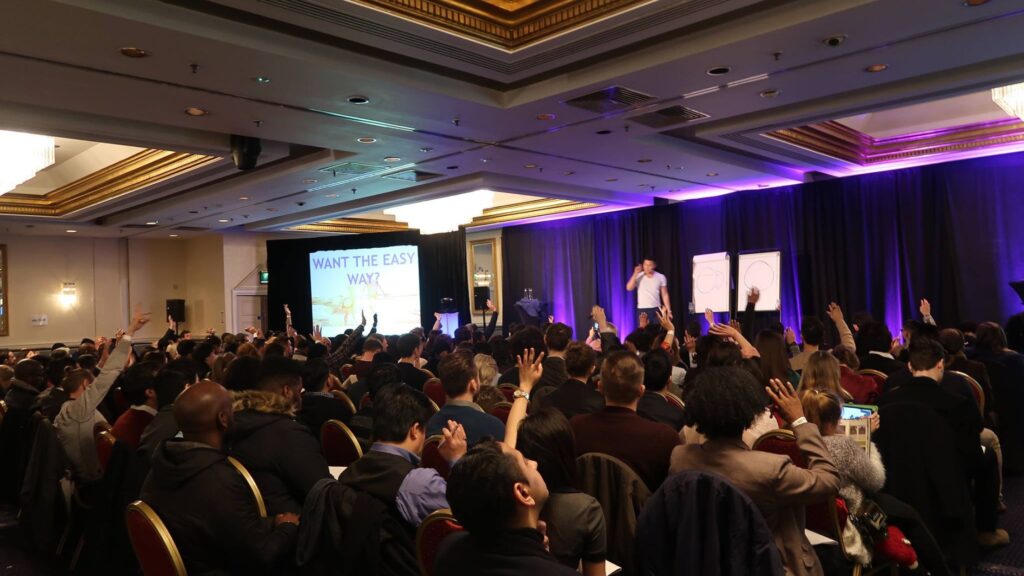
Interviewer: How can leaders use self-belief to inspire others?
Tim Han: Leaders who believe in themselves naturally inspire others. When a leader shows confidence in their vision and decisions, it creates trust. But it’s not just about themselves, it’s also about believing in their team. A great leader communicates belief in the potential of others, and that belief encourages people to give their best. Leadership isn’t about control; it’s about inspiring belief in possibility, both within yourself and in the people you guide.
Interviewer: Is self-belief different from being overconfident?
Tim Han: Yes, there’s a big difference. Self-belief is trusting your ability to learn and grow. Overconfidence is thinking you know everything already. Self-belief is humble, it accepts that mistakes will happen, but trusts you can handle them. Overconfidence ignores weaknesses, while true belief acknowledges them and works on them. One builds steady growth, the other can lead to mistakes. So, self-belief is not about arrogance, it’s about trust, courage, and the willingness to keep trying.
Interviewer: How can students benefit from learning self-belief early?
Tim Han: Students with self-belief approach learning with curiosity instead of fear. They’re less afraid of mistakes and more open to trying new things. This creates faster growth because they don’t let failure stop them. Self-belief helps them ask questions, explore ideas, and dream bigger. More importantly, it builds resilience. When challenges come later in life, they’ll already know how to trust themselves, stay positive, and keep moving forward with courage and determination.
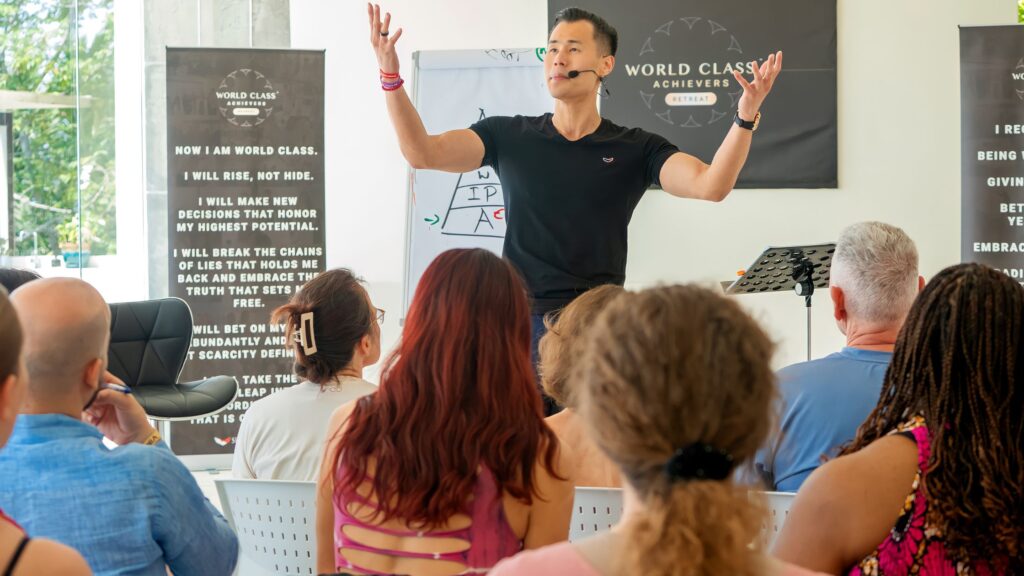
Interviewer: Can self-belief help people who want to start a business?
Tim Han: Definitely. Starting a business always comes with risks and unknowns. Many people never begin because they doubt themselves. Self-belief is what gives entrepreneurs the courage to take the first step, even without all the answers. It also helps them handle setbacks without giving up. Business success often comes from persistence, and persistence comes from belief. With self-belief, you can keep going, keep learning, and keep building until your idea becomes reality.
Interviewer: What simple advice would you give to someone doubting themselves today?
Tim Han: I would say this: Start small. Take one step today that proves to yourself you can grow. Maybe it’s reading a book, finishing a task, or reaching out for help. Don’t wait for everything to be perfect. Success doesn’t come from big leaps, it comes from small steps taken with belief. Trust that you can improve over time. Believe in yourself, even if it feels hard, because that belief is the seed of success.
Interviewer: Do you believe self-belief can change someone’s life completely?
Tim Han: Yes, I’ve seen it many times. Self-belief is like turning on a light in a dark room. Suddenly, you see opportunities that were always there but hidden by doubt. It changes how you act, how you speak, and how you face challenges. It affects your relationships, career, and personal growth. When people truly believe in themselves, they live with more courage, passion, and purpose. It’s one of the most powerful changes possible.

Interviewer: Lastly, How can someone remind themselves daily that success begins with self-belief?
Tim Han: Daily reminders are powerful. Start your day with affirmations, like saying “I am capable” or “I can handle challenges.” Keep a journal where you write down small wins to remind yourself of progress. Place quotes or notes where you can see them often. Most importantly, take action, even if it’s small. Action reinforces belief. Every day, remember that success is not about perfection, it’s about believing in yourself enough to keep moving forward.
Interviewer: Thank you for coming today, Tim Han.
Tim Han: Thank you for having me. It was a pleasure to share my thoughts, and I hope these words help remind people that everything begins with self-belief.