
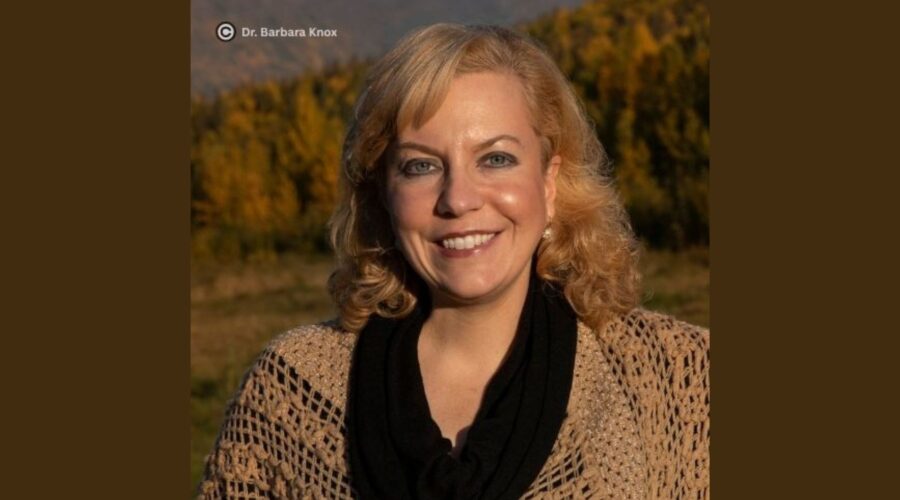
Today, we spoke with Dr. Barbara Knox, a respected child abuse pediatrician and Professor of Pediatrics at the University of Florida. She works with children who are hurt or abused and helps protect them from further harm. Dr. Barbara Knox also research child torture and abuse to improve care and prevention.
In this interview, Barbara Knox MD talks about why teamwork is important in fighting child abuse, how doctors, social workers, and law enforcement work together, and what people can do if they see signs of abuse. Her words show how we can all help keep children safe and healthy.
Interviewer: Dr. Barbara Knox, thank you for joining us today. You often say “Fighting child abuse requires teamwork.” Why do you believe teamwork is so important in child protection?
Dr. Barbara Knox: Thank you for having me. I say this because child abuse is a very complex problem. It is not just a medical issue. It involves social workers, teachers, law enforcement, mental health experts, and the community. No single person or profession can tackle it alone. When we work together, we can see the full picture and help the child in every way needed.

Interviewer: That makes sense. As a pediatrician, what role do you play in this team?
Dr. Barbara Knox: My role as a pediatrician, especially as a child abuse pediatrician, is to identify injuries, signs, and symptoms that may suggest abuse. I examine the child carefully, take a detailed history, and check if the explanations match the injuries. I also work closely with other doctors, nurses, and specialists to ensure no medical condition is missed that could look like abuse. After the medical evaluation, I share my findings with child protection teams and law enforcement to plan the next steps.
Interviewer: What happens after you share your findings with child protection or law enforcement?
Dr. Barbara Knox: Once I share the findings, the social workers investigate the child’s home environment and family situation. Law enforcement checks for criminal aspects if needed. Mental health experts assess the child’s emotional and psychological health. Together, we plan how to keep the child safe and provide treatment, counselling, and support.
Also Read: Alaa Daloussi Says “We Don’t Just Import Machines, We Deliver Reliability”
Interviewer: You have researched child torture as a form of abuse. How does teamwork help in such severe cases?
Dr. Barbara Knox: Child torture is one of the most severe forms of abuse. It includes repeated and extreme physical or psychological harm. In these cases, teamwork is even more critical. Medical professionals document injuries, social workers look into the family’s behaviour patterns, mental health experts assess trauma, and law enforcement ensures the child’s immediate safety. Without teamwork, some aspects might be missed, and the child could remain in danger.

Interviewer: That is heartbreaking. How can the general public help fight child abuse?
Dr. Barbara Knox: Everyone has a role. Teachers, neighbours, friends, and family members can watch for signs. For example, if a child has frequent unexplained injuries, seems fearful of certain adults, is always hungry, or is withdrawn, these could be signs of abuse. People should report their concerns to child protection services. It is always better to report and be wrong than to not report and allow harm to continue.
Interviewer: In your years of experience, have you seen teamwork save lives?
Dr. Barbara Knox: Absolutely. I have seen many cases where a teacher noticed bruises, a nurse observed unusual injuries, or a neighbour reported neglect. When these concerns were shared with the right people, we were able to intervene and save children from further harm or even death. Teamwork makes this possible because everyone shares what they see, and together we act faster and more effectively.
Interviewer: How does your research help in teamwork and child protection?
Dr. Barbara Knox: My research, especially on child torture and severe abuse, helps create awareness and improve identification. When doctors, social workers, and law enforcement understand the patterns and signs of torture or severe abuse, they can work together more effectively. Research provides knowledge, and teamwork applies that knowledge to protect children.

Interviewer: What challenges do you see in building strong child protection teams?
Dr. Barbara Knox: One big challenge is communication gaps. Sometimes, different professionals use different terms or have different priorities, leading to confusion. Another challenge is limited resources, such as lack of specialized training or funding for child protection programs. Also, high workloads can make teamwork difficult if people are too busy to meet and discuss cases. Overcoming these requires commitment from leaders and proper training for all team members.
Interviewer: How can hospitals and clinics improve teamwork in child abuse cases?
Dr. Barbara Knox: They can create clear protocols for child abuse cases, train staff regularly, and build strong relationships with child protection agencies and law enforcement. Having regular multidisciplinary meetings also helps everyone stay informed and prepared to work as a team whenever a case arises.
Interviewer: Finally, what is your message to all professionals working in child protection?
Dr. Barbara Knox: My message is simple: Never think you can do this alone. Always reach out to your team members, respect their knowledge, and communicate openly. Remember, at the centre of all this work is a child who needs safety, care, and healing. When we work together, we can give them hope and a better future.
Interviewer: Thank you, Dr. Knox, for your insights and for the incredible work you do to protect children.
Dr. Barbara Knox: Thank you for highlighting this important topic. I hope this encourages more teamwork to keep children safe everywhere.