
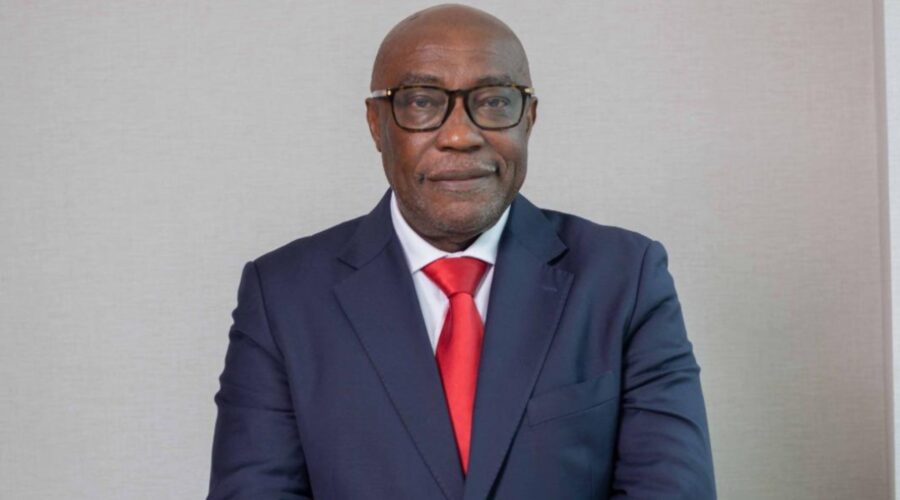
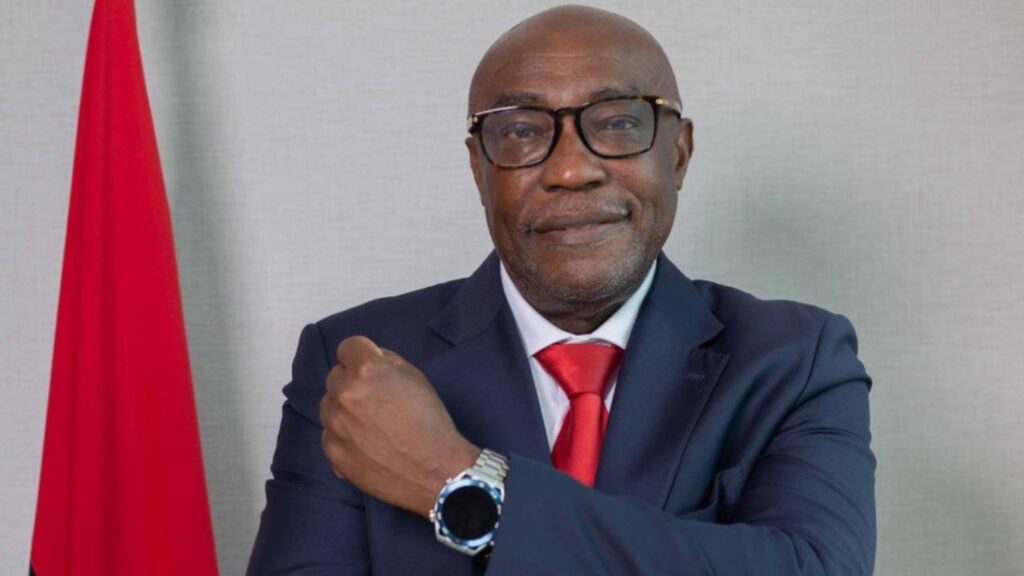
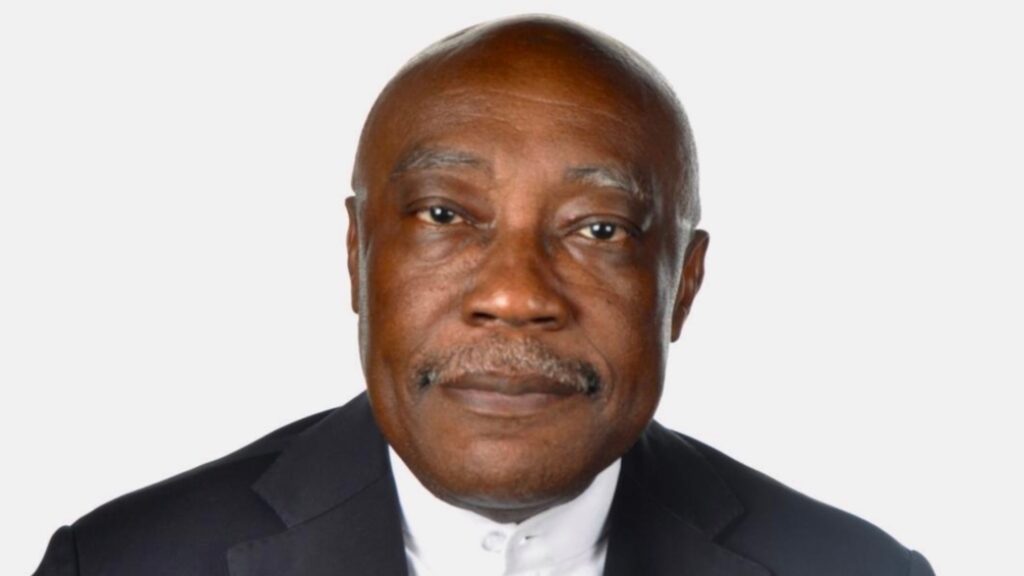
Pedro Sebastião Teta is an Angolan engineer, professor, public administrator, entrepreneur, and leader with many years of experience in science, technology, education, and national development. Throughout his career, Pedro Sebastião Teta has worked in government, academia, and finance, helping drive projects that support economic progress and knowledge growth. His work has focused on creating opportunities through technology, strengthening education, and supporting long-term development.
Today we have Pedro Sebastião Teta with us to discuss the connection between technology and economic growth. In this interview, he shares practical insights from his experience and explains how countries can create progress by investing in people, knowledge, and digital tools.
Interviewer: Why do you believe technology plays such an important role in economic growth?
Pedro Sebastião Teta: Technology helps people work better, learn faster, and solve problems more effectively. When businesses adopt digital tools, they often reduce costs and improve productivity. When governments use technology, they can provide services more quickly. Economic growth depends on creating value, and technology gives people new ways to create that value. We can see this in sectors such as banking, agriculture, healthcare, and education.
Interviewer: How has technology changed the way countries develop?
Pedro Sebastião Teta: Years ago, development depended heavily on physical infrastructure. Today, digital infrastructure is equally important. A country with strong internet access, digital services, and technology skills can create opportunities across many sectors. Digital platforms allow small businesses to reach larger markets. Students can access learning materials from anywhere. These changes help countries grow faster and compete globally.
Interviewer: What role does education play in building a technology-driven economy?
Pedro Sebastião Teta: Education is the foundation. Technology changes quickly, and people need the skills to adapt. Schools and universities should teach problem-solving, critical thinking, and digital literacy. Students should learn how to use technology and how to create solutions with it. When education and technology work together, they produce skilled professionals who contribute to economic growth.

Interviewer: Can you share an example of technology creating economic opportunities?
Pedro Sebastião Teta: One clear example is mobile banking. In many regions, people who previously had limited access to financial services can now save money, make payments, and manage businesses through their phones. This access supports entrepreneurship and helps local economies grow. Small improvements in access can create large economic benefits over time.
Interviewer: What challenges do developing countries face when adopting technology?
Pedro Sebastião Teta: Access remains a challenge. Some communities still lack reliable internet connections and digital infrastructure. Another challenge is skills development. Technology alone does not create growth. People must know how to use it effectively. Governments, universities, and businesses need to work together to provide training and support learning opportunities.
Also Read: Patrick Kennelly Talks About Safety Standards in Electrical Work
Interviewer: How can governments encourage technology-driven growth?
Pedro Sebastião Teta: Governments can invest in digital infrastructure, support education, and create policies that encourage entrepreneurship. They can also simplify access to digital services and promote research activities. When governments create an environment that supports creativity and business development, more people can participate in economic activity.
Interviewer: You have worked in both education and public administration. What lessons have you learned from these experiences?
Pedro Sebastião Teta: One lesson is that people are the most important resource. Technology matters, but people drive progress. Another lesson is that long-term planning is essential. Short-term results are useful, but sustainable growth requires patience and commitment. Success comes when education, research, and public policy support the same goals.
Interviewer: How does research contribute to economic growth?
Pedro Sebastião Teta: Research helps us understand challenges and identify solutions. It creates new knowledge and supports better decision-making. Businesses use research to develop products. Governments use research to improve policies. Universities use research to expand understanding. Countries that support research often create stronger economies because they continuously generate new ideas and opportunities.
Interviewer: What advice would you give to young people interested in technology?
Pedro Sebastião Teta: Stay curious and keep learning. Technology changes rapidly, so continuous learning is necessary. Focus on building practical skills. Look for opportunities to solve real problems. Do not wait for perfect conditions. Start with the resources available to you and continue improving your knowledge through study and experience.
Interviewer: How can technology support entrepreneurs and small businesses?
Pedro Sebastião Teta: Technology gives entrepreneurs access to tools that were once available only to large organizations. Small businesses can market products online, communicate with customers through digital platforms, and manage operations using software tools. These capabilities help entrepreneurs reach more people and grow their businesses with fewer barriers.
Interviewer: What areas of technology do you believe will have the greatest economic impact in the coming years?
Pedro Sebastião Teta: Artificial intelligence, data analysis, digital finance, and communication technologies will continue to shape economic activity. These areas help organizations make better decisions and improve services. The key issue is not simply adopting new technologies. The real value comes from using them to solve practical challenges and create opportunities for people.
Interviewer: What message would you like readers to remember from this discussion?
Pedro Sebastião Teta: Technology is a tool for progress, but people remain at the center of development. Countries grow when they invest in education, research, and skills development. Economic growth becomes stronger when more people can participate and benefit from new opportunities. If we focus on learning, collaboration, and practical solutions, technology can support lasting progress for future generations.